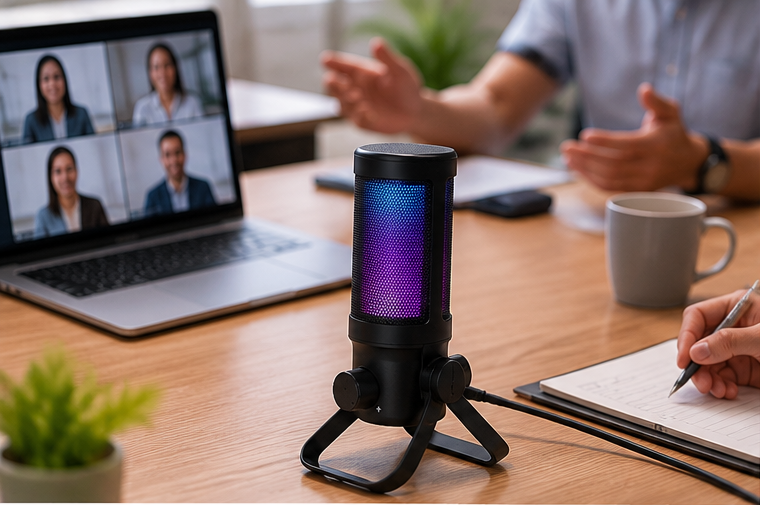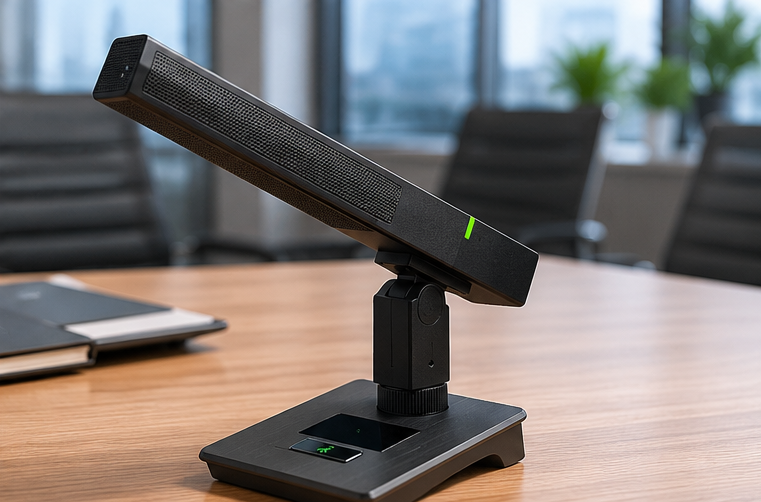
Clear communication is the foundation of every successful meeting. Whether in a corporate boardroom, government conference hall, educational institution, or training center, participants need to hear and be heard clearly. As meeting spaces become more flexible and organizations increasingly adopt hybrid communication models, traditional wired microphone systems often struggle to meet modern requirements.
Wireless conference microphone systems have become a preferred solution because they provide reliable voice pickup, flexible deployment, and professional audio performance without the limitations of complex cabling.
The Challenges of Traditional Wired Conference Systems
Traditional conference microphones require extensive wiring between microphones, control units, and audio equipment. While wired systems can provide stable performance, they often present several challenges:
- Complex installation processes
- Limited flexibility for room layout changes
- Visible cables affecting room appearance
- Higher maintenance requirements
- Increased setup time for temporary events
As organizations seek more efficient meeting solutions, wireless conference systems help eliminate many of these challenges.
Flexible Deployment for Modern Meeting Spaces
One of the most significant advantages of wireless conference microphones is installation flexibility.
Conference rooms are no longer static environments. Furniture arrangements frequently change depending on the meeting format, participant count, or event requirements. Wireless microphones allow users to reposition units quickly without relocating cables or modifying infrastructure.
This flexibility is particularly valuable for:
- Corporate boardrooms
- Government meeting facilities
- Educational classrooms
- Training centers
- Multi-purpose conference halls
Organizations can adapt their meeting spaces while maintaining professional audio quality.
Stable Wireless Transmission Technology
Modern wireless conference microphone systems use advanced UHF wireless technology to ensure stable communication.
Many professional systems offer:
- Multiple selectable channels
- Digital ID synchronization
- Anti-interference transmission
- Long-range wireless communication
For example, professional conference microphone systems often support up to 30 selectable channels and wireless transmission distances reaching approximately 50 meters under suitable operating conditions.
These features help ensure reliable performance even when multiple wireless devices operate within the same environment.
Superior Speech Clarity
The primary purpose of a conference microphone is to accurately capture speech.
Unlike microphones designed for music recording or broadcasting, conference microphones are optimized specifically for spoken communication. Their pickup characteristics focus on improving speech intelligibility while reducing unwanted background noise.
Benefits include:
- Clearer participant communication
- Reduced misunderstandings
- Improved meeting efficiency
- Better remote conferencing experiences
Whether discussions involve two participants or dozens of attendees, speech clarity remains essential for productive meetings.
Supporting Hybrid and Remote Meetings
Hybrid meetings have become a standard part of modern business operations.
In many organizations, some participants attend meetings in person while others join remotely through video conferencing platforms. Poor audio quality can significantly reduce communication effectiveness.
Wireless conference microphone systems help solve this problem by providing:
- Consistent voice pickup
- Balanced audio levels
- Better online meeting experiences
- Improved communication between remote and on-site participants
As hybrid work continues to grow, professional conference audio systems have become increasingly important.
Professional Appearance and Easier Maintenance
A conference room often reflects an organization’s professionalism.
Wireless systems help maintain a clean and organized appearance by reducing visible cables and simplifying equipment placement. This creates a more professional environment for customers, partners, and internal teams.
Additional benefits include:
- Faster installation
- Cleaner conference tables
- Reduced cable management
- Lower maintenance costs
- Easier future system expansion
These advantages contribute to long-term operational efficiency.
Common Applications
Wireless conference microphone systems are widely used across many industries.
Corporate Offices
Board meetings, management discussions, and client presentations all require reliable communication.
Government Institutions
Government conferences often involve multiple speakers and demand professional-grade audio performance.
Educational Facilities
Universities, schools, and training centers benefit from flexible audio solutions that support interactive communication.
Conference Centers
Large conference halls require scalable microphone systems capable of handling different event formats.
Conclusion
Wireless conference microphone systems have become an essential tool for modern communication environments. Their flexible deployment, stable transmission, clear speech reproduction, and professional appearance make them an ideal choice for conference rooms, educational institutions, government facilities, and business organizations.
As meeting technology continues to evolve, investing in a reliable wireless conference microphone system can significantly improve communication quality and meeting efficiency.